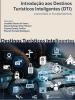
Introdução aos destinos turísticos inteligentes (DTI): conceitos e fundamentos
Palavras-chave:
Destinos Turísticos Inteligentes, sustentabilidade, inovação, tecnologia.Sinopse
O livro "Introdução aos Destinos Turísticos Inteligentes (DTI): Conceitos e Fundamentos" explora a transição de destinos turísticos tradicionais para destinos turísticos inteligentes, oferecendo uma visão abrangente sobre a implementação, vantagens e desafios dos DTIs no contexto brasileiro e global. O Capítulo 1, "Destinos Turísticos Tradicionais e Destinos Turísticos Inteligentes", examina as diferenças entre esses dois tipos de destinos. Os destinos tradicionais são conhecidos por suas paisagens naturais e patrimônio cultural, mas enfrentam desafios como a superlotação e impactos ambientais negativos. Em contraste, os destinos turísticos inteligentes utilizam tecnologias da informação e comunicação (TIC) para melhorar a experiência do turista, promover a sustentabilidade e aumentar a competitividade por meio da integração de dados em tempo real e personalização dos serviços. O Capítulo 2, "Estratégia Nacional dos Destinos Turísticos Inteligentes (DTI) no Brasil", detalha a estratégia nacional, dividida em quatro fases: planejamento e pesquisa, desenvolvimento de parcerias, projeto piloto e expansão, e consolidação e avaliação. São feitas comparações entre os modelos de DTI da Espanha e do Brasil, adaptando as melhores práticas internacionais à realidade brasileira. O Capítulo 3, "Criatividade e Inovação nos Destinos Turísticos Inteligentes", explora a importância da criatividade e da inovação na gestão e desenvolvimento dos DTIs. O Capítulo 4, "O Papel da Economia Criativa na Sustentabilidade e Competitividade dos Destinos Turísticos Inteligentes", discute como atividades baseadas na criatividade, como design, artes visuais, música, cinema, moda e gastronomia, podem impulsionar o desenvolvimento socioeconômico e cultural dos DTIs. A integração de elementos criativos nos DTIs enriquece a experiência do turista e fortalece a identidade cultural regional, aumentando a atratividade e fomentando a inclusão social e econômica. O Capítulo 5, "A Cultura nos Destinos Turísticos Inteligentes (DTI): Oportunidades e Desafios", explora como a integração cultural pode enriquecer a experiência turística e preservar o patrimônio cultural e as tradições locais. Os desafios incluem equilibrar a inovação tecnológica com a preservação das tradições culturais e a gestão sustentável dos recursos culturais. Envolver as comunidades locais é essencial para promover um turismo mais inclusivo e sustentável. O Capítulo 6, "Felicidade Interna Bruta (FIB) e os Destinos Turísticos Inteligentes (DTI)", investiga a interseção entre o conceito de Felicidade Interna Bruta (FIB) e os DTIs, explorando como a busca pelo bem-estar e satisfação dos turistas e residentes pode ser integrada ao desenvolvimento e gestão dos DTIs. O foco está em como a FIB pode ser uma ferramenta poderosa para criar destinos turísticos mais humanizados e centrados nas pessoas. O Capítulo 7, "Ecossistemas para Suporte aos Destinos Turísticos Inteligentes: Uma Revisão Sistemática", realiza uma análise abrangente sobre como ecossistemas de suporte podem ser desenvolvidos para promover os DTIs. A importância da colaboração entre diversos stakeholders, incluindo governos, empresas privadas, instituições acadêmicas e comunidades locais, é destacada. A criação de ecossistemas robustos é crucial para o sucesso dos DTIs, facilitando a inovação, sustentabilidade e competitividade. O Capítulo 8, "Destinos Turísticos Inteligentes: Mapeamento Temático da Produção Científica no Brasil (2019 - 2024)", traz uma análise abrangente da produção científica brasileira sobre DTIs no período de 2019 a 2024. Os autores realizam um mapeamento temático das pesquisas realizadas, destacando as principais áreas de interesse, metodologias aplicadas e tendências emergentes. Este capítulo discute como a academia brasileira tem contribuído para a implementação de práticas mais eficientes e sustentáveis nos destinos turísticos do país. Esses resumos destacam os principais pontos de cada capítulo, enfatizando a importância da inovação, tecnologia, criatividade e cultura no desenvolvimento e gestão dos Destinos Turísticos Inteligentes.
Capítulos
-
DESTINOS TURÍSTICOS TRADICIONAIS E DESTINOS TURÍSTICOS INTELIGENTES
-
ESTRATÉGIA NACIONAL DOS DESTINOS TURÍSTICOS INTELIGENTES (DTI) NO BRASIL
-
CRIATIVIDADE E INOVAÇÃO NOS DESTINOS TURÍSTICOS INTELIGENTES
-
O PAPEL DA ECONOMIA CRIATIVA NA SUSTENTABILIDADE E COMPETITIVIDADE DOS DESTINOS TURÍSTICOS INTELIGENTES
-
A CULTURA NOS DESTINOS TURÍSTICOS INTELIGENTES (DTI)OPORTUNIDADES E DESAFIOS
-
FELICIDADE INTERNA BRUTA (FIB) E OS DESTINOS TURÍSTICOS INTELIGENTES (DTI)
-
ECOSSISTEMAS PARA SUPORTE AOS DESTINOS TURÍSTICOS INTELIGENTESUMA REVISÃO SISTEMÁTICA
-
DESTINOS TURÍSTICOS INTELIGENTESMAPEAMENTO TEMÁTICO DA PRODUÇÃO CIENTÍFICA NO BRASIL (2019 - 2024)
Referências
ADNER, R.; KAPOOR, R. Value creation in innovation ecosystems: how the structure of technological interdependence affects firm performance in new technology generations. Strategic Management Journal, v. 31, p. 306-333, 2010.
AJUNTAMENT DE BARCELONA. Barcelona green strategy: Greening and biodiversity plan. Barcelona: Barcelona City Council, 2020.
ALBUQUERQUE, T.; SOUZA, I. B.; DE ARAÚJO, M. V. P. Destino Turístico Inteligente, Turismo Inteligente, Revisão Sistemática, Estado da Arte. Marketing & Tourism Review, Belo Horizonte - MG – Brasil, v. 9, n. 1, 2024.
ALCANTUD, A. F.; MORENO, B. G. Smart tourism destinations: the backbone of tourism recovery. Smart Tourismo, v. 3, n. 2, p. 1-9, 2022. https://doi.org/10.54517/st.v3i2.1729
ALEJANDRO, V. A. O.; NORMAN, A. G. Manual introdutório à análise de redes sociais. 2005. Disponível em: http://www.aprende.com.pt;fotos;editor2;manual%20ARS%20%BTrad%5D.pdf. Acesso em: 10 fev. 2020.
ALMEIDA, J. S.; PEREIRA, M. R. Soluções de DTI para o Turismo de Cruzeiros em Santos. Revista Brasileira de Turismo e Hospitalidade, Santos, v. 7, n. 2, p. 135-149, 2018.
ALMIRALL, E.; LEE, M. J.; MAJCHRZAK, A. Smart Cities and the Co-Creation of Value: A Source of New Competitiveness in a Low-Carbon Society. Journal of Strategic Information Systems, v. 25, n. 2, p. 95-107, 2016.
ARSLAN AYAZLAR, R. Sharing economy and its reflections to tourism industry. Gaziantep University Journal of Social Sciences, v. 17, n. 3, p. 1186-1202, 2018.
ASPIRANTI, T. et al. Bibliometric review of corporate governance of Islamic financial institutions through AI-based tools. International Journal of Professional Business Review (JPBReview), v. 8, n. 4, p. 1-30, 2023
AUTIO, E.; NAMBISAN, S.; THOMAS, L. D. W.; WRIGHT, M. Digital resources, spatial resources and the genesis of entrepreneurial ecosystems. Strategic Entrepreneurship Journal, p. 72-95, 2018.
BAIDAL, J. A.; REBOLLO, J. F. V. Planificación turística en España. de los paradigmas tradicionales a los nuevos enfoques: planificación turística inteligente. Boletín de la Asociación de Geógrafos Españoles, v. 82, p. 1-31, 2019.
BANISTER, David. The sustainable mobility paradigm. Transport Policy, v. 15, n. 2, p. 73-80, 2008.
BÁRCIA, L. C. Governança turística da cidade de Búzios: um estudo sobre um potencial destino turístico inteligente. RITUR-Revista Iberoamericana de Turismo, v. 10, n. 1, p. 172-201, 2020.
BEARFIELD, D. A.; BOWMAN, A. O. Can you find it on the web? An assessment of municipal e-government transparency. The American Review of Public Administration, v. 47, n. 2, p. 172-188, 2017.
BENCKENDORFF, P.; SHELDON, P.; FESENMAIER, D. R. Tourism information technology. Oxford, UK: CAB International, 2014.
BENI, M. C. Análise da gestão dos destinos turísticos: um enfoque na inovação e sustentabilidade. São Paulo: Editora Manole, 2012.
BENI, M. C. Análise Estrutural do Turismo. São Paulo: Editora Senac, 2019.
BENI, M. C. Análise Estrutural do Turismo. São Paulo: Senac, 1998.
BENI, M. C. Análise estrutural do turismo. São Paulo: SENAC, 2001.
BENI, M. C. Turismo: planejamento estratégico e capacidade de gestão. 14. ed. São Paulo: SENAC, 2019.
BERGER, J. Contagious: How to Build Word of Mouth in the Digital Age. Simon and Schuster, 2016.
BETANCOURT, M. J.; GARCÍA, L. Transformation of Medellín: How Smart City Initiatives Are Improving Life in Colombian Cities. Journal of Urban Technology, v. 24, n. 1, p. 51-76, 2017.
BOES, K.; BUHALIS, D.; INVERSINI, A. Smart tourism destinations: ecosystems for tourism destination competitiveness. International Journal of Tourism Cities, v. 2, n. 2, 2016.
BOES, K.; BUHALIS, D.; INVERSINI, A. Smart Tourism Destinations: Ecosystems for Tourism Destination Competitiveness. International Journal of Tourism Cities, v. 2, n. 2, p. 108-124, 2016.
BOES, K.; BUHALIS, D.; INVERSINI, A. Smart tourism destinations: ecosystems for tourism destination competitiveness. International Journal of Tourism Cities, v. 2, n. 2, p. 108-124, 2016.
BOLEY, H.; CHANG, E. Digital ecosystems: principles and semantics. IEEE International Conference on Digital Ecosystems and Technologies, Cairns, Australia, fevereiro 2007. Ottawa, 2007.
BONFATO, A. C.; HAUCK, S. N. C.; ISAAC, V. R.; COLETTI, G. F. Proposta para fazer da Brotas, Brasil, um destino turístico inteligente, com base na análise de indicadores municipais. Rosa dos Ventos Turismo e Hospitalidade, v. 14, n.4, p. 1132-1160, 2022. http://dx.doi.org/10.18226/21789061.v14i4p1132
BONFATO, A.C, ATHIÊ, A.A.R.; PELEGRINETTI, S.M. Diagnóstico do potencial para criação de destinos turísticos inteligentes no estado de São Paulo, Brasil. Revista Hospitalidade. São Paulo, v. 16, n.3, p. 59-81, 2019. https://doi.org/10.21714/2179 9164.2019.v16n3.004
BRAGA, F. L. P.; Lima, F. A. X. O desenvolvimento rural a partir de estudos e de trabalhos científicos brasileiros (2000-2019): análise lexical por meio do software Iramuteq. Revista Econômica Do Nordeste, v. 53, n.1, p. 26–44, 2022. https://doi.org/10.61673/ren.2022.1116
BRAMWELL, Bill; LANE, Bernard. Sustainable Tourism: An Evolving Global Approach. Journal of Sustainable Tourism, v. 21, n. 3, p. 1-18, 2013.
BRAND, P.; DÁVILA, J. Mobility Innovation at the Urban Margins: Medellín’s Metrocables. City, v. 15, n. 6, p. 647-661, 2011.
BRASIL, Ministério do Turismo. Brasil supera estimativa da OMT com chegada de cerca de 6 milhões de turistas em 2023. https://www.gov.br/turismo/pt-br/assuntos/noticias/brasil-supera-estimativa-da-omt-com-chegada-de-cerca-de-6-milhoes-de-turistas-em-2023. Publicado em 18/01/2024.
BRASIL. Ministério do Turismo. Destinos Turísticos Inteligentes (DTI), 2021. Disponível em: https://www.gov.br/turismo/pt-br/acesso-a-informacao/perguntas-frequentes/ministerio-do-turismo/destinos-turisticos-inteligentes-dti. Acesso em: 08 jul. 2024.
BRASIL. Ministério do Turismo. Edital 01/2023. Disponível em: https://www.turismo.gov.br. Acesso em: 24 jul. 2024.
BRASIL. Ministério do Turismo. Modelo DTI Brasil. Disponível em: https://www.turismo.gov.br. Acesso em: 24 jul. 2024.
BRAUN, A. A Felicidade Interna Bruta: uma alternativa ao desenvolvimento econômico? Revista de Ciências Sociais, v. 5, n. 2, p. 233-248, 2009.
BREGOLIN, M.; SMIDERLE, M. D. Big data para a gestão de destinos turísticos inteligentes: Análise de ferramentas disponíveis no Brasil. Rosa dos Ventos - Turismo e Hospitalidade, v. 14, n.3, 707-725, 2022. http://dx.doi.org/10.18226/21789061.v14i3p725
BUHALIS, D. Drivers of e-Tourism. In: Handbook of e-Tourism. Cham: Springer International Publishing, 2021. p. 1-17.
BUHALIS, D. et al. Technological disruptions in services: lessons from tourism and hospitality. Journal of Service Management, v. 30, n. 4, p. 484-506, 2019.
BUHALIS, D. Marketing the competitive destination of the future. Tourism Management, v. 21, n. 1, p. 97-116, 2000.
BUHALIS, D. Marketing the competitive destination of the future. Tourism Management, v. 31, n. 5, p. 570-573, 2010.
BUHALIS, D. Marketing the Competitive Destination of the Future. Tourism Management, v. 21, n. 1, p. 97-116, 2000.
BUHALIS, D. Technology in Tourism – From Information Communication Technologies to eTourism and Smart Tourism towards Ambient Intelligence Tourism: A perspective article. Tourism Review, v. 75, n. 1, p. 52-64, 2020.
BUHALIS, D. Technology in tourism-from information communication technologies to eTourism and smart tourism towards ambient intelligence tourism: A perspective article. Tourism Review, v. 71, n. 1, p. 135-141, 2016.
BUHALIS, D. Technology in tourism-from information communication technologies to eTourism and smart tourism towards ambient intelligence tourism: A perspective article. Tourism Review, v. 74, n. 1, p. 53-63, 2019.
BUHALIS, D. Technology in tourism-from information communication technologies to eTourism and smart tourism towards ambient intelligence tourism: a perspective article. Tourism Review, v. 75, n. 1, p. 267-272, 2020.
BUHALIS, D.; AMARANG, S. Smart Tourism Destinations: Enhancing Tourism Experience Through Personalisation of Services. Tourism Review, v. 69, n. 1, p. 151-167, 2014.
BUHALIS, D.; AMARANGGANA, A. Smart tourism destinations enhancing tourism experience through personalisation of services. In: TUSSYADIAH, T.; INVERSINI, A. (Eds.). Information and Communication Technologies in Tourism 2015. Cham: Springer, 2015. p. 377-389.
BUHALIS, D.; AMARANGGANA, A. Smart tourism destinations enhancing tourism experience through personalisation of services. In: XIANG, Z.; TUSSYADIAH, I. (eds.). Information and Communication Technologies in Tourism 2014. Cham: Springer, 2014. p. 553-564.
BUHALIS, D.; AMARANGGANA, A. Smart Tourism Destinations. In: Information and Communication Technologies in Tourism 2014, Cham: Springer, 2013, p. 553-564.
BUHALIS, D.; AMARANGGANA, A. Smart Tourism Destinations. In: Information and Communication Technologies in Tourism 2014. Cham: Springer, 2013. p. 553-564.
BUHALIS, D.; AMARANGGANA, A. Smart Tourism Destinations. In: XIANG, Z.; TUSSYADIAH, I. (eds.). Tourism Management, Marketing, and Development. Palgrave Macmillan, 2015. p. 553-564.
BUHALIS, D.; LAW, R. Progress in information technology and tourism management: 20 years on and 10 years after the internet – the state of eTourism research. Tourism Management, v. 29, n. 4, p. 609-623, 2008.
BUHALIS, D.; O’CONNOR, P. Information communication technology revolutionizing tourism. Tourism Recreation Research, v. 30, n. 3, p. 7-16, 2005.
BUHALIS, D.; O’CONNOR, P.; LEUNG, R. Smart hospitality: from smart cities and smart tourism towards agile business ecosystems in networked destinations. International Journal of Contemporary Hospitality Management, v. 35, n. 1, p. 369-393, 2023.
BUHALIS, D.; PAPATHANASSIS, A.; VAFEIDOU, M. Smart cruising: smart technology applications and their diffusion in cruise tourism. Journal of Hospitality and Tourism Technology, v. 13, n. 4, p. 626-649, 2022.
BUHALIS, Dimitrios; AMARAL, Fernando. Tourism Governance: Critical Issues and Future Trends. Journal of Destination Marketing & Management, v. 3, n. 2, p. 1-8, 2016.
BUTLER, R. W. Sustainable Tourism: A State-of-the-Art Review. Tourism Geographies, v. 1, n. 1, p. 7-25, 1999.
BUTLER, R. W. The concept of a tourist area cycle of evolution: Implications for management of resources. Canadian Geographer, v. 24, n. 1, p. 5-12, 1980.
CACHO, N.; LOPES, F.; CAVALCANTE, E.; SANTOS, I. A smart city initiative: the case of Natal. In: 2016 IEEE International Smart Cities Conference (ISC2). IEEE, 2016. p. 1-7.
CAMARGO, B. V.; JUSTO, A. M. IRAMUTEQ: um software gratuito para análise de dados textuais. Revista Temas em Psicologia, v. 21, n. 2, p. 513-518, 2013.
CARILLI, C. S. F.; ORENGO, G. A. S.; MACHADO, G. V.; SANTOS, L. D. R.; CORRIJO, L. S. S.; FREITAS, M. E. O.; COSTA, T. A.; AQUINO, R. L. Funcionalidades acadêmicas e científicas do Google. Brazilian Journal of Implantology and Health Sciences, v. 5, n. 3, p. 677-693, 2023.
CARVALHO, R. B.; AZEVEDO, G. A. Fortaleza como Destino Turístico Inteligente: Desafios e Perspectivas. Revista de Turismo e Desenvolvimento Sustentável, Fortaleza, v. 5, n. 1, p. 123-139, 2019.
CASTRO, José Renato de César. As graves questões comportamentais referentes ao conceito de Turismo e de turista, nas quais se baseiam a antropologia e a sociologia, resolvem-se através da psicologia da Gestalt. Revista Mal-Estar e Subjetividade, v. 3, n. 1, p. 197-208, 2003. Disponível em: https://www.redalyc.org/pdf/271/27130112.pdf. Acesso em: 10 jul 2024.
CASTRO, R. S. Turismo Inteligente: Inovação e Tecnologia na Gestão dos Destinos Turísticos. São Paulo: Editora Senac, 2020.
CAVES, R. Creative Industries: Contracts between Art and Commerce. Harvard University Press, 2000.
CHAVES, M. M. N.; DOS SANTOS, A. P. R.; DOS SANTOSA, N. P., LAROCCA, L. M. Use of the Software IRAMUTEQ in Qualitative Research: An Experience Report. In: COSTA, A., REIS, L., NERI DE SOUSA, F., MOREIRA, A., LAMAS, D. (eds) Computer Supported Qualitative Research. Studies in Systems, Decision and Control, v. 71. Springer, Cham, 2017.https://doi.org/10.1007/978-3-319-43271-7_4
CHEN, S. C. I.; LIU, C. Factors influencing the application of connected health in remote areas, Taiwan: a qualitative pilot study. International Journal of Environmental Research and Public Health, v. 17, n. 4, p. 1282, 2020.
CHONG, H. Y.; LI, R. The innovative use of big data and artificial intelligence in tourism management. Journal of Hospitality and Tourism Management, v. 40, p. 77-84, 2019.
COHEN, S. A.; HOPKINS, D. Autonomous vehicles and the future of urban tourism. Annals of Tourism Research, v. 74, p. 33-42, 2019.
COOPER, C.; FLETCHER, J.; GILBERT, D.; WANHILL, S. Tourism: Principles and practice. Harlow: Longman, 1998.
COSTA, M. C. M. S. Redes sociais intraorganizacionais informais e gestão: um estudo nas áreas de manutenção e operação da planta HYCO-8. 223f. Dissertação (Mestrado Administração) – Pró-Reitoria de Pós-Graduação da Universidade Federal da Bahia, Camaçari, 2003.
COSTA, M. L.; GOMES, T. S. Mobilidade Inteligente e Sustentável em Recife: Uma Abordagem para o Turismo. Revista de Estudos Urbanos e Regionais, Recife, v. 18, n. 3, p. 201-215, 2020.
COX, Caroline; HOLLAND, Christina; WESTER, Kurt W. Public Safety and Security in Tourism: The Role of Local Authorities. Journal of Tourism and Hospitality Management, v. 24, n. 3, p. 1-15, 2016.
DARCY, Simon; BUHALIS, Dimitrios. Accessible Tourism: Concepts and Issues. Channel View Publications, 2011.
DE MORAIS LIMA, D. S.; MENDES FILHO, L. Modelo INVAT.TUR: Indicadores relevantes para gestão de um destino turístico inteligente. Cenário: Revista Interdisciplinar em Turismo e Território , [S. l.], v. 9, n. 2, p. 150–170, 2021. https://doi.org/10.26512/revistacenario.v9i2.35322.
DE MORAIS LIMA, D. S.; Mendes Filho, L.; Corrêa, C. H. W. Análise da cidade de Natal/RN como Destino Turístico Inteligente a partir do modelo INVAT. TUR. Marketing & Tourism Review. Belo Horizonte - MG - Brasil • v. 6, n. 1, 2021 NEECIM TUR – UFMG.
DE OLIVEIRA SANTOS, M. E.; DOS SANTOS, E. C. O Google Acadêmico como mecanismo de auxílio na construção de trabalhos científicos e correlato ao letramento informacional. In: Anais VIII Seminário de Saberes Arquivísticos. 2017.
DEL CHIAPPA, G.; BAGGIO, R. Knowledge transfer in smart tourism destinations: analyzing the effects of a network structure. Journal of Destination Marketing & Management, v. 4, n. 3, p. 145-150, 2015.
DEL CHIAPPA, G.; BAGGIO, R. Knowledge transfer in smart tourism destinations: analyzing the effects of a network structure. Journal of Destination Marketing & Management, v. 4, n. 3, p. 145-150, 2015.
DIAS, J. A. Inovação e Sustentabilidade no Turismo Brasileiro. São Paulo: Editora Turismo, 2022.
DIAS, L. M.; CORRÊA, D. A.; MORAES, G. R. Turismo Sustentável em Foz do Iguaçu: Perspectivas e Desafios. Revista Brasileira de Pesquisa em Turismo, São Paulo, v. 12, n. 3, p. 45-59, 2018.
DREDGE, D.; JENKINS, J. M. Tourism planning and policy: Issues, themes and challenges. Routledge, 2007.
DREDGE, D.; JENKINS, J. Tourism Planning and Policy. Brisbane: Wiley, 2007.
EVANS, G. The Creative City: A Toolkit for Urban Innovators. Routledge, 2018.
EVANS, G.; SHAW, P. The Contribution of Culture to Regeneration in the UK: A Review of Evidence. London: Department for Culture, Media and Sport, 2004.
FERNANDES, D. L.; BERNIER, E. T. Acessibilidade Virtual em destinos turísticos inteligentes: os casos de Curitiba (Brasil) e Málaga (Espanha). Rosa dos Ventos – Turismo e Hospitalidade, v. 13, n. 1, p. 2-15, 2021. https://doi.org/10.18226/21789061.v13i1p2.
FERNANDES, R. G. et al. Tecnologia e Gestão de Grandes Eventos no Rio de Janeiro: Impactos no Turismo e na Segurança. Revista de Administração Pública, Rio de Janeiro, v. 54, n. 4, p. 953-973, 2020.
FERREIRA, L. H. Descentralização do Turismo e Desenvolvimento Regional. Porto Alegre: Editora Turística, 2019.
FLORIDA, R. The Rise of the Creative Class: And How It's Transforming Work, Leisure, Community, and Everyday Life. Basic Books, 2002.
FORMENTON, D.; GRACIOSO, L. DE S. Preservação Digital: desafios, requisitos, estratégias e produção científica. RDBCI: Revista Digital de Biblioteconomia e Ciência da Informação, v. 18, p. e020012, 2020.
FREITAS, H. B. B. DE; MENDES FILHO, L. Iniciativas de destinos turísticos inteligentes na cidade de Natal-RN: uma abordagem qualitativa. Rosa dos Ventos – Turismo e Hospitalidade, v. 12, n. 4, p. 997-1009, 2020. https://doi.org/10.18226/21789061.v12i4p997
GÂNDARA, J. M. Destinos turísticos inteligentes no Brasil: perspectivas e desafios. Revista Brasileira de Pesquisa em Turismo, v. 14, n. 2, p. 67-81, 2020.
GARCÍA, J. M.; FERNÁNDEZ, M. Public–private collaboration in city destination marketing. Annals of Tourism Research, v. 83, p. 102944, 2020.
GELTER, J.; LEXHAGEN, M.; FUCHS, M. A meta-narrative analysis of smart tourism destinations: implications for tourism destination management. Current Issues in Tourism, v. 24, n. 20, p. 2860 – 2874, 2021. https://doi.org/10.1080/13683500.2020.1849048
GNH CENTRE BHUTAN. The Gross National Happiness Index. 2019. Disponível em: http://www.gnhcentrebhutan.org. Acesso em: 20 jul. 2024.
GOMES, L. A. De V.; FACIN, A. L. F.; SALERNO, M. S.; IKENAMI, R. K. Unpacking the innovation ecosystem construct: evolution, gaps and trends. Technological Forecasting and Social Change, v. 136, p. 30-48, 2018.
GOODWIN, Harold; SANTILLI, Romina. Community-based tourism: a success?. ICRT Occasional Paper, n. 11, p. 1-37, 2009.
GRETZEL, U. et al. Smart tourism: foundations and developments. Electronic Markets, v. 25, n. 3, p. 179-188, 2015.
GRETZEL, U.; DE MENDONÇA, M. C. Smart destination brands: Semiotic analysis of visual and verbal signs. International Journal of Tourism Cities, v. 5, n. 4, p. 560–580, 2019. https://doi.org/10.1108/IJTC-09-2019-0159
GRETZEL, U.; JAMAL, T. Conceptualizing intelligent destination marketing systems. Journal of Travel Research, v. 59, n. 1, p. 3-13, 2020a.
GRETZEL, U.; JAMAL, T. Conceptualizing the creative tourist class: The case of New Zealand migrants in Australia. Tourism Management, v. 31, n. 4, p. 545-552, 2010.
GRETZEL, U.; JAMAL, T. The Role of Destination Governance in Smart Tourism Destinations. In: TUSSYADIAH, I.; INVERSINI, A. (Eds.). Information and Communication Technologies in Tourism 2020. Cham: Springer, 2020b. p. 155-166.
GRETZEL, U.; SIGALA, M.; XIANG, Z.; KOO, C. Smart tourism: Foundations and developments. Electronic Markets, v. 25, n. 3, p. 179-188, 2015.
GRETZEL, U.; SIGALA, M.; XIANG, Z.; KOO, C. Smart tourism: foundations and developments. Electronic Markets, v. 25, n. 3, p. 179-188, 2015a.
GRETZEL, U.; SIGALA, M.; XIANG, Z.; KOO, C. Smart tourism: foundations and developments. Electron Markets, Springer, 2015. https://doi.org/10.1007/s12525-015-0196-8
GRETZEL, U.; WERTHNER, H.; KOO, C.; LAMSFUS, C. Conceptual foundations for understanding smart tourism ecosystems. Computers in Human Behavior, v. 50, p. 558-563, 2015.
GRETZEL, U.; WERTHNER, H.; KOO, C.; LAMSFUS, C. Conceptual foundations for understanding smart tourism ecosystems. Computers in Human Behavior, v. 50, p. 558-563, 2015b.
GRETZEL, U.; WERTNER, H.; KOO, C.; LAMSFUS, C. Conceptual foundations for understanding smart tourism ecosystems. Computers in Human Behavior, v. 50, 2015.
GRETZEL, Ulrike; SIGALA, Marianna. Smart Tourism: Foundations and Developments. Electronic Markets, v. 20, n. 3-4, p. 1-12, 2016.
HALL, C. M. Collaboration for sustainable tourism development. Tourism Review International, v. 14, n. 1-2, p. 49-54, 2010.
HALL, C. M. Tourism and regional development: New pathways. Routledge, 2015.
HALL, C. M.; MITCHELL, M. Wine marketing: A practical guide. Elsevier, 2008.
HALL, C. M.; PRAYAG, G.; AMORE, A. (eds.). Tourism and resilience: individual, organizational and destination perspectives. Bristol: Channel View Publications, 2017.
HALL, C. M.; WILLIAMS, A. M. Tourism and innovation. Routledge, 2008.
HALL, Colin Michael; TIMOTHY, Dallen J. Tourism and Safety: Managing Risks in the Era of Global Travel. Tourism Management, v. 35, n. 1, p. 1-6, 2018.
HANSEN, L. K.; MØLLER, M. Community-based tourism development: A case study of the Faroe Islands. Journal of Tourism Futures, v. 6, n. 1, p. 30-43, 2020.
HELLIWELL, J. F.; LAYARD, R.; SACHS, J. World Happiness Report 2019. Nova Iorque: Sustainable Development Solutions Network, 2019.
HJALAGER, A.-M. A review of innovation research in tourism. Tourism Management, v. 31, n. 1, p. 1-12, 2010.
HJALAGER, Anne-Mette; HALL, Colin Michael. Tourism Innovation: The Role of Technology and Institutions. Journal of Sustainable Tourism, v. 25, n. 1, p. 1-10, 2017.
HOTT CORRÊA, S. C. H.; GOSLING, M. S. Destinos turísticos inteligentes na avaliação de pesquisadores e de profissionais do turismo nos setores público e privado. Revista Hospitalidade, São Paulo, v. 17, n.2, p. 71-94, 2020. DOI: https://doi.org/10.21714/2179 9164.2020.v17n2.005
HOTT CORRÊA, S. C.; GOSLING, M. S.; GONÇALVES, C. A. Destinos turísticos inteligentes: um estudo bibliométrico. Revista Iberoamericana de Turismo-RITUR, Penedo, v. 9, n. 1, p.40-61, 2019.
HOWKINS, J. The Creative Economy: How People Make Money from Ideas. Penguin, 2001.
HRACS, B. J.; LESLIE, D.; RINALDI, E. Introduction: creative economies, creative cities. European Planning Studies, v. 26, n. 11, p. 2191-2203, 2018.
HWANG, J.; PARK, H. Y.; HUNTER, W. C. Constructivism in smart tourism research: Seoul destination image. Asia Pacific Journal of Information Systems, v. 25, n. 1, p. 163–178, 2015.
INSTITUTO BRASILEIRO DE TURISMO. Turismo Inteligente em Foz do Iguaçu: Relatório Anual 2019. Brasília: Embratur, 2019.
JAMAL, T.; STRONZA, A. Collaboration theory and tourism practice in protected areas: stakeholders, structuring and sustainability. Journal of Sustainable Tourism, v. 17, n. 2, p. 169-189, 2009.
JENSEN, A. T.; KRISTENSEN, E. Green tourism and innovative practices: The case of the Faroe Islands. Scandinavian Journal of Hospitality and Tourism, v. 21, n. 4, p. 351-367, 2021.
KAVARATZIS, Mihalis; HATCH, Mary Jo. The Dynamics of Place Branding: An Identity-based Approach to Place Branding Theory. Marketing Theory, v. 13, n. 1, p. 69-86, 2013.
KELLER, K. L. Building strong brands in a modern marketing communications environment. Journal of Marketing Communications, v. 22, n. 1, p. 9-25, 2016.
KHAN, M.; AMMARA, U.; RASHEED, K.; MANSOOR, A.; AL-FUQAHA, A. Smart Cities from the Perspective of Systems. Systems, 2022.
KOTLER, P.; BOWEN, J. T.; MAKENS, J. C.; BALOGLU, S. Marketing for hospitality and tourism. Pearson, 2017.
KOTLER, Philip; KELLER, Kevin Lane. Marketing Management. 15. ed. Pearson, 2016.
LANDRY, C. The Creative City: A Toolkit for Urban Innovators. Earthscan, 2000.
LEITE, G. C.; NASCIMENTO SANTOS, N. O caminho a percorrer na evolução de destino turístico consolidado para DTI: o caso do município de Porto Seguro-Ba. Revista Mbote, Salvador, Bahia, v. 1, n.1, p.067-092, 2020.
LIMA, M. M. Destinos turísticos inteligentes: contribuições e desafios para o turismo do século XXI. Turismo em Análise, v. 29, n. 2, p. 313-339, 2018.
LOPEZ DE AVILA, A. Smart Destinations: XXI Century Tourism. Journal of Tourism Futures, v. 1, n. 1, p. 41-45, 2015.
MACHADO, L. A. N. Destinos Turísticos Inteligentes e desenvolvimento sustentável. CULTUR-Revista de Cultura e Turismo, v. 14, n. 01, 2020.
MAENPAA, P.; LINDHOLM, A. Smart Kalasatama: From Living Lab to Smart City Development. Journal of Urban Technology, v. 22, n. 4, p. 49-62, 2015.
MARINI, C.; LOPES, M. Economia criativa e turismo sustentável: uma análise de casos brasileiros. Revista Brasileira de Ecoturismo, v. 12, n. 2, p. 345-357, 2019.
MCCORMACK, R. Digital ecosystems: a framework for online business. Bitstrategist.com, 15 jun. 2011. Acesso em: 26 jan. 2024.
MCKERCHER, B. Sustainable Tourism Development: Shifting from Theory to Practice. Routledge, 2020.
MEDEIROS, P. M.; SOUZA, L. F.; LIMA, V. S. Curitiba: Planejamento Urbano e Sustentabilidade. Revista de Estudos Urbanos e Regionais, Curitiba, v. 22, n. 4, p. 233-250, 2018.
MEDEIROS, P.; MARQUES, L.; ALMEIDA, H. Criatividade e inovação no turismo: estudo de caso no Rio Grande do Norte. Revista de Turismo Contemporâneo, v. 4, n. 2, p. 363-384, 2016.
MENDES FILHO, L.; MAYER, V. F.; CORREA, C. H. W. Dimensões que influenciam a percepção dos turistas sobre Destinos Turísticos Inteligentes. Revista Brasileira de Pesquisa em Turismo, v. 16, p. e-2332, 2022.
MIDDLETON, V. T. C.; CLARKE, J. Marketing in travel and tourism. 3. ed. Oxford: Butterworth-Heinemann, 2001.
MILL, R. C.; MORRISON, A. M. The Tourism System. Kendall/Hunt, Dubuque, Iowa, 2002.
MINISTÉRIO DO TURISMO. Avaliação e Consolidação dos Destinos Turísticos Inteligentes no Brasil. Brasília: Ministério do Turismo, 2023.
MINISTÉRIO DO TURISMO. Projetos Piloto de DTIs: Resultados e Impactos. Brasília: Ministério do Turismo, 2022.
MINISTÉRIO DO TURISMO. Relatório de Implementação dos Destinos Turísticos Inteligentes no Brasil. Brasília: Ministério do Turismo, 2019.
MOORE, J. F. Predators and prey: a new ecology of competition. Harvard Business Review, v. 71, p. 75-86, 1993.
MOTTA, F. M. de V.; SILVA, R. A. R. da. A adoção de tecnologias digitais na reconstrução do Patrimônio: relato da experiência do Museu Nacional, Brasil. Informação & Sociedade, v. 30, n. 2, 2020.
NAM, K.; DUTT, C.; CHATHOTH, P.; KHAN, M. S. Blockchain technology for smart city and smart tourism: latest trends and challenges. Asia Pacific Journal of Tourism Research, v. 26, n. 4, 2019.
NAM, T.; PARDO, T. A. Conceptualizing smart city with dimensions of technology, people, and institutions. In: The Proceedings of the 12th Annual International Conference on Digital Government Research. College Park, 2011.
NEIROTTI, P.; DE MARCO, A.; CAGLIANO, A. C.; MANGANO, G.; SCORRANO, F. Current trends in Smart Tourism: The Internet of Things and its relevance to tourism. In: Information and Communication Technologies in Tourism 2015. Cham: Springer, 2015. p. 551-564.
NEUHOFER, B.; BUHALIS, D.; LADKIN, A. Smart Technologies for Personalized Experiences: A Case Study in the Hospitality Domain. Electronic Markets, v. 25, n. 3, p. 243-254, 2015.
NGUYEN, T. T.; CAMACHO, D.; JUNG, J. E. Identifying and ranking cultural heritage resources on geotagged social media for smart cultural tourism services. Personal and Ubiquitous Computing, v. 21, n. 2, p. 267-279, 2017.
NUNES, R. F.; MEDAGLIA, J.; STADLER, A. Destinos turísticos inteligentes e gestão do conhecimento: possíveis convergências. AtoZ: novas práticas em informação e conhecimento, v. 9, n. 1, p.61-73, 2020. https://doi.org/10.5380/atoz.v9i1.71613.
ÖDEMIŞ, M. Smart Tourism Destinations: A Literature Review on Applications in Turkey’s Touristic Destinations. In: Optimizing Digital Solutions for Hyper-Personalization in Tourism and Hospitality, Publisher: IGI Global2022. https://doi.org/10.4018/978-1-7998-8306-7.ch007
OECD. The Impact of Culture on Tourism. OECD Publishing, 2013.
OLIVEIRA, J. S.; CARVALHO, M. B.; SILVA, A. P. Salvador Inteligente: Tecnologia e Cultura no Turismo. Revista de Cultura e Turismo, Salvador, v. 15, n. 2, p. 77-91, 2019.
OMT. Relatório de Colaboração Internacional para DTIs. Madrid: Organização Mundial do Turismo, 2020.
PAGE, Matthew J. et al. A declaração PRISMA 2020: diretriz atualizada para relatar revisões sistemáticas.Revista panamericana de salud publica, v. 46, p. e112, 2023.
PAGE, Stephen J.; GEURS, Karst T. Transport and Tourism: Global Perspectives. Routledge, 2018.
PEARCE, D. G. Tourism development and poverty reduction in South Africa: Learning from the Eastern Cape Province. Current Issues in Tourism, v. 15, n. 3, p. 223-237, 2012.
PEARCE, P. L. The landscape of tourist creativity. Annals of Tourism Research, v. 39, n. 1, p. 58-75, 2012.
PECHLANER, H.; VOLGGER, M.; PICHLER, S. Innovation in tourism: The role of regional and network factors. Annals of Tourism Research, v. 41, p. 267-289, 2013.
PEREIRA, A. M.; LIMA, C. R. Turismo criativo e sustentabilidade: uma análise das práticas no Rio de Janeiro. Revista Turismo em Análise, v. 32, n. 1, p. 145-160, 2021.
PEREIRA, L. DE C.; BIZ, A. A. Análise das inter-relações entre tecnologia da informação e comunicação e destinos turísticos inteligentes. Rosa dos Ventos - Turismo e Hospitalidade, v. 15, n.1, p. 49-64, 2023. http://dx.doi.org/10.18226/21789061v15i1p49
PETROCCHI, M. P. Turismo e planejamento estratégico: um modelo de competitividade para destinos. Revista Brasileira de Pesquisa em Turismo, v. 1, n. 2, p. 28-44, 2007.
PINE II, B. J.; GILMORE, J. H. Welcome to the experience economy. Harvard Business Review, v. 76, n. 4, p. 97-105, 1998.
PINE, B. J.; GILMORE, J. H. The experience economy: Work is theatre & every business a stage. Harvard Business Press, 1999.
PINE, B. J.; GILMORE, J. H. The Experience Economy: Work Is Theatre & Every Business a Stage. Harvard Business School Press, 1999.
PINTO, M. J. A.; NAKATANI, M. S. M. O papel do planejamento urbano no desenvolvimento de Curitiba em um destino inteligente. Revista Turismo & Cidades, São Luís, MA, v.1 n.2, 2019.
PRAHALAD, C. K.; RAMASWAMY, V. Co-creation experiences: The next practice in value creation. Journal of Interactive Marketing, v. 18, n. 3, p. 5-14, 2004.
PRATT, A. C.; JEFFCUTT, P. Creativity, Innovation and the Cultural Economy. Routledge, 2009.
PRATT, A. The Cultural Intermediaries Reader. Routledge, 2019.
PRATT, S. Creative cities: The cultural industries and the creative class. Geografiska Annaler: Series B, Human Geography, v. 88, n. 2, p. 165-182, 2011.
PREFEITURA DE FLORIANÓPOLIS. Plano de Desenvolvimento Turístico Sustentável 2020. Florianópolis: Prefeitura de Florianópolis, 2020.
PREFEITURA DE FORTALEZA. Fortaleza 2040: Plano de Desenvolvimento Sustentável. Fortaleza: Prefeitura de Fortaleza, 2020.
PREFEITURA DE SALVADOR. Salvador: Cidade Inteligente e Turística. Salvador: Prefeitura de Salvador, 2021.
RATTEN, V. Creative city development: A review of creative strategies and their implications. In: Creativity and innovation in the era of emergence. Springer, 2021. p. 195-208.
REFERÊNCIAS
RESENDE MUNIZ, G.; PINTO DA SILVA, F. Museuvr: Uma Aplicação Em Realidade Virtual E Digitalização Tridimensional Voltada Ao Patrimônio Cultural Museuvr: A Cultural Heritage Application In Virtual Reality With Three-Dimensional Scanning. Revista Eletrônica Ventilando Acervos, n. 1, p. 23-36, 2021.
RIBEIRO, G. et al. Curitiba: Inovação Urbana e Sustentabilidade. Curitiba: Editora UFPR, 2020.
RICHARDS, G. Creative Tourism: A Global Conversation. Routledge, 2019.
RICHARDS, G. Creativity and Tourism: The State of the Art. Annals of Tourism Research, v. 38, n. 4, p. 1225-1253, 2011.
RICHARDS, G. Creativity and tourism: The state of the art. Annals of Tourism Research, v. 38, n. 4, p. 1225-1253, 2011.
RICHARDS, G. Creativity and tourism: The state of the art. Annals of Tourism Research, v. 53, p. 80-97, 2015.
RICHARDS, G. Cultural tourism: a review of recent research and trends. Journal of Hospitality and Tourism Management, v. 36, p. 12-21, 2018.
RICHARDS, G.; MARQUES, L. A. Criatividade e turismo: A formação de recursos criativos como estratégia para o desenvolvimento turístico. Revista de Turismo & Desenvolvimento, v. 17/18, p. 95-105, 2012a.
RICHARDS, G.; MARQUES, L. Tourism creative and cultural industries: Strategies for growth. Routledge, 2012b.
RICHARDS, G.; WILSON, J. Tourism, Creativity and Development. Routledge, 2007.
RICHARDS, Greg; WILSON, Julie. Tourism, Creativity and Development. Routledge, 2007.
RINZIN, C.; VERMEULEN, W. J. V.; GLASBERGEN, P. Ecotourism as a Mechanism for Sustainable Development: The Case of Bhutan. Environmental Sciences, v. 4, n. 2, p. 109-125, 2007.
RITCHIE, Brent W.; JIANG, Ying. A Review of Tourism Risk, Crisis and Disaster Management: Literature and Trends. Journal of Hospitality and Tourism Management, v. 41, p. 16-22, 2019.
RITCHIE, J. R. B.; CROUCH, G. I. The Competitive Destination: A Sustainable Tourism Perspective. Wallingford: CABI, 2003.
RODRIGUES, C. G.; MACIEL, C. Big Data e Internet das Coisas na Gestão de Destinos Turísticos Inteligentes. Revista Brasileira de Pesquisa em Turismo, v. 11, n. 2, 2017.
RODRÍGUEZ, M. Á.; MARTÍNEZ, V. A. Digital marketing and destination competitiveness: A case study of Barcelona. Journal of Destination Marketing & Management, v. 20, p. 100566, 2021.
SAFAA, L.; BÉDARD, F. L’expérience des ateliers créatifs dans les riads de Marrakech comme antécédent de la satisfaction du visiteur, de l’image qu’il se fait de la destination et de son engagement envers la destination. In: Kadri, B. and Benhacine, J. Tourisme et loisirs dans le Monde arabe—Aménagement, développement, gestion et mise en valeur des territoires (l’Harmattan), 2016.
SAFAA, L.; SAOUALIH, A. Des technologies et des destinations touristiques intelligentes : entre rhétorique et expérimentation, Études caribéennes [En ligne], 51 | Avril 2022, mis en ligne le 15 avril 2022, Acesso em: 26 juin 2024. Disponível em: http://journals.openedition.org/etudescaribeennes/23640; DOI: https://doi.org/10.4000/etudescaribeennes.23640 .
SAGI, L.C. (org). Por um Turismo Mais Resiliente. Divisão de Meio Ambiente, Desenvolvimento Rural e Gestão de Riscos por Desastres do Banco Interamericano de Desenvolvimento, 2022.
SAMPAIO, E. A. de A.; BRAGA, D. Destinos Turísticos Inteligentes: Domínio da produção científica e percursos das agendas de pesquisa. Revista Rosa dos Ventos-Turismo e Hospitalidade, v. 15, n. 2, 2023.
SAMPAIO, E.; BRAGA, D. C. Aproximação da produção científica entre cidades inteligentes e destinos turísticos inteligentes: síntese bibliométrica e estrutura teórica dos campos, Marketing & Tourism Review, Belo Horizonte - MG, v. 8, n. 3, 2023b.
SANTOS, A. R.; MENDES, P. A. Preservação do Patrimônio Cultural em São Luís: A Utilização de Tecnologias Inteligentes. Revista Brasileira de Patrimônio Histórico e Cultural, São Luís, v. 8, n. 1, p. 33-47, 2019.
SANTOS, É. L. DOS et al. Cidades inteligentes e sustentáveis: percepções sobre a cidade de Curitiba/PR a partir dos planos plurianuais de 2014 a 2021. Revista Brasileira de Gestão Urbana, v. 14, 2022.
SANTOS, S. R. DOS; GÂNDARA, J. M. G. Experiência Turística em Destino Histórico no Nordeste Brasileiro sob o Viés de Destino Turístico Inteligente. Rosa dos Ventos - Turismo e Hospitalidade, v. 11, n. 2, 2019 Universidade de Caxias do Sul, Brasil. https://doi.org/10.18226/21789061.v11i2p435
SCHEYVENS, R.; MOMSEN, J. Tourism and poverty reduction: Issues for small island states. In: Tourism in Pacific Islands: Current Issues and Future Challenges. p. 143-155, 2008.
SCHUMPETER, J. A. The Theory of Economic Development: An Inquiry Into Profits, Capital, Credit, Interest, and the Business Cycle. Harvard University Press, 1934.
SCOTTISH GOVERNMENT. Scotland’s National Performance Framework. 2019. Disponível em: https://nationalperformance.gov.scot. Acesso em: 20 jul. 2024.
SEBRAE. Destinos Turísticos Inteligentes. Pequenos negócios protagonistas na criação de experiências memoráveis. 2021. Disponível em: https://sebrae.com.br/sites/PortalSebrae/destinosturisticosinteligentes. Acesso em: 27 jun 2024.
SENYO, P. K.; LIU, K.; EFFAH, J. Digital business ecosystem: literature review and a framework for future research. International Journal of Information Management, v. 47, p. 52-64, 2019.
SHARPLEY, R.; TELFER, D. J. Tourism and development: Concepts and issues. Channel View Publications, 2015.
SHELLER, M. The creative destruction of New Orleans: Post-Katrina tourism and the 'New' New Orleans. In: Tourism in the city: Towards an integrative agenda on urban tourism. Springer, 2014. p. 185-203.
SIGALA, M. Implementing social media and collective intelligence: Effects on the dynamic capabilities of regional tourism organisations. In: SIGALA, M.; GRETZEL, U. (eds.). Advances in Social Media for Travel, Tourism and Hospitality: New Perspectives, Practice and Cases. Abingdon: Routledge, 2018. p. 97-114.
SIGALA, M.; CHRISTOU, E. Smart tourism destinations: Digital revolution meets management, policy and customer satisfaction. Journal of Destination Marketing & Management, v. 12, p. 1-6, 2019.
SIGALA, M.; MARINIDIS, D. E-service quality and Web 2.0: expanding quality models to include customer participation and intercustomer support. The Service Industries Journal, v. 32, n. 3, p. 487-503, 2012.
SILVA CEZÁRIO, R. B.; SILVA-MELO, M. R. da. Destino Turístico Inteligente: diferencial competitivo para Campo Grande, Mato Grosso do Sul. Geofronter, [S. l.], v. 9, n. 1, 2023. https://doi.org/10.61389/geofronter.v9i1.7693.
SILVA, A. F. Pandemia, museu e virtualidade: a experiência museológica no “novo normal” e a ressignificação museal no ambiente virtual. Anais do Museu Paulista: História e Cultura Material, v. 29, p. e54, 2021.
SILVA, J. F.; SANTOS, M. A.; OLIVEIRA, P. B. Inovação e sustentabilidade no turismo: o caso do Rio de Janeiro. Turismo: Visão e Ação, v. 24, n. 2, p. 78-93, 2022.
SILVA, M. R. Inclusão Digital e Desenvolvimento Sustentável nos Destinos Turísticos. Rio de Janeiro: Editora Turismo, 2021.
SIRGY, M. J.; PHILLIPS, R.; RAHTZ, D.; UYSAL, M. Handbook of Tourism and Quality-of-Life Research: Enhancing the Lives of Tourists and Residents of Host Communities. Dordrecht: Springer, 2011.
SMITH, M. K. Issues in cultural tourism studies. 3. ed. London: Routledge, 2015.
SOARES, R.; PAES-CESÁRIO, M. F.; DE ARAÚJO, M. V. P. Destinos turísticos inteligentes e a experiência dos turistas: revisão sistemática da literatura em periódicos brasileiros. Rosa dos Ventos - Turismo e Hospitalidade, v.14, n.3, p.726- 746, 2022. http://dx.doi.org/10.18226/21789061.v14i3p746
SOSTER, Sandra Schmitt; GONÇALVES, Pedro Henrique; BORGES, Ariane Magda. Tecnologias Digitais aplicadas ao Patrimônio Cultural e ao Turismo. Caderno Virtual de Turismo, v. 21, n. 2, p. 127-139, 2021
SOUZA, C. Inovação e turismo no Rio de Janeiro: O uso da realidade aumentada. Revista Brasileira de Pesquisa em Turismo, v. 14, n. 2, p. 120-135, 2020.
SOUZA, P. C. Competitividade e Inovação nos Destinos Turísticos Brasileiros. Belo Horizonte: Editora de Turismo, 2020.
SOUZA, T. R.; FERNANDES, E. C. Destinos Turísticos Inteligentes e Sustentabilidade: Desafios e Perspectivas no Contexto Brasileiro. Turismo em Análise, v. 30, n. 1, 2019.
SOUZA, T.; RIBEIRO, L. Gestão Turística Inteligente em Gramado: Tecnologias para um Turismo Sustentável. Revista Brasileira de Turismo e Hospitalidade, Gramado, v. 10, n. 1, p. 89-104, 2020.
SWARBROOKE, J. Sustainable tourism management. Wallingford: CABI, 1999.
TALMAR, M.; WALRAVE, B.; PODOYNITSYNA, K. S.; HOLMSTREOM, J.; ROMME, A. G. L. Mapping, analyzing and designing innovation ecosystems: the ecosystem pie model. Long Range Planning [Preprint], 2018.
THEFREEDICTIONARY. Ecosystem. The Free Dictionary, 2015. Acesso em: 26 jan. 2024. Disponível em: http://www.thefreedictionary.com/ecosystem.
TORRES, M. L. SEGITTUR: La Innovación en el Turismo. Madrid: Ediciones Turísticas, 2013.
TREASURY NEW ZEALAND. Wellbeing Budget 2019. 2019. Disponível em: https://treasury.govt.nz/publications/wellbeing-budget/wellbeing-budget-2019. Acesso em: 20 jul. 2024.
TUROK, I. The Distinctive City: Pitfalls in the Pursuit of Differential Advantage. Environment and Planning A: Economy and Space, v. 41, n. 1, p. 13-30, jan. 2009.
TYAN, I.; YAGÜE, M.; GUEVARA-PLAZA, A. Blockchain Technology for smart tourism destinations. Sustainability, v. 12, 9715, p. 1-11, 2020; https://doi.org/10.3390/su12229715.
UNCTAD. Creative Economy Report 2010. United Nations, 2010.
UNWTO. Guidelines for tourism and the sustainable development goals. Madrid: World Tourism Organization, 2019.
UNWTO. Tourism for Development – Volume I: Key Areas for Action. World Tourism Organization, 2018.
UPADHYAY, R. Gross National Happiness and Development: An Essay. Journal of Bhutan Studies, v. 34, p. 17-38, 2016.
URA, K. et al. A Short Guide to Gross National Happiness Index. Thimphu: The Centre for Bhutan Studies, 2012.
URA, K.; ALKIRE, S.; ZANGMO, T.; WANGDI, K. An Extensive Analysis of GNH Index. Thimphu: The Centre for Bhutan Studies, 2012.
UYSAL, M.; SIRGY, M. J. Quality-of-Life Indicators as Performance Measures in Tourism and Hospitality. Quality Innovation Prosperity, v. 23, n. 2, p. 165-181, 2019.
VAN ECK, N.; WALTMAN, L. Software survey: VOSviewer, a computer program for bibliometric mapping. Scientometrics, v. 84, n. 2, p. 523-538, 2010.
VERMA, R. Gross National Happiness: Meaning, Measure and Degrowth in a Living Development Alternative. Journal of Political Ecology, v. 24, n. 1, p. 476-490, 2017.
VISIT FAROE ISLANDS. Sustainable tourism: Faroe Islands' approach. 2021. Disponível em: https://www.visitfaroeislands.com. Acesso em: 20 maio 2024.
WANG, D.; LI, X. R.; ZHANG, H. Augmented reality tourism marketing and tourist experience: a conceptual framework. Journal of Travel & Tourism Marketing, v. 35, n. 2, p. 149-161, 2018.
WANG, D.; PARK, S.; FESENMAIER, D. R. The role of smartphones in mediating the touristic experience. Journal of Travel Research, v. 57, n. 1, p. 52-66, 2018.
WANG, D.; XIANG, Z. The new landscape of travel: a comprehensive analysis of smartphone applications. In: XIANG, Z.; TUSSYADIAH, I. (eds.). Information and Communication Technologies in Tourism 2012. Vienna: Springer, 2012. p. 308-319.
WEAVER, D.; LAWTON, L. Tourism Management. 4. ed. Milton: John Wiley & Sons, 2010.
WEI, W.; ÖNDER, I.; UYSAL, M. Smart tourism destination (STD): developing and validating an impact scale using residents’ overall life satisfaction. Current Issues in Tourism, p. 1-24, 8 jan. 2024.
WERTHNER, H.; KLEIN, S. Information technology and tourism: a challenging relationship. Springer-Verlag Wien, 1999.
WORLD ECONOMIC FORUM. Travel & Tourism Development Index 2024. May 2024
YALCINKAYA, P.; ATAY, L.; KARAKAS, E. Smart tourism applications. Gastroia: Journal of Gastronomy and Travel Research, v. 2, n. 2, p. 35-52, 2018.
ZANGMO, S. Bhutan's Pursuit of Gross National Happiness and Sustainable Tourism Development. Tourism Management Perspectives, v. 26, p. 95-101, 2018.
ZANIN, M.; DIAS, P.; RAMOS, R. Florianópolis como Destino Turístico Inteligente: Estratégias e Desafios. Revista Brasileira de Inovação e Tecnologia, Florianópolis, v. 9, n. 1, p. 112-127, 2020.
ZHANG, M. Social network analysis: history, concepts, and research. In FURTH, B. (ed.). Handbook of social network: Technologies and applications. New York: Springer, 2010.
Downloads
Próximo
25 May 2026
Séries
Categorias
Copyright (c) 2026 Editora IFCE
Licença

Este trabalho está licenciado sob uma licença Creative Commons Attribution-NonCommercial-NoDerivatives 4.0 International License.
Detalhes sobre essa publicação
doi
10.21439/edifce.127.57